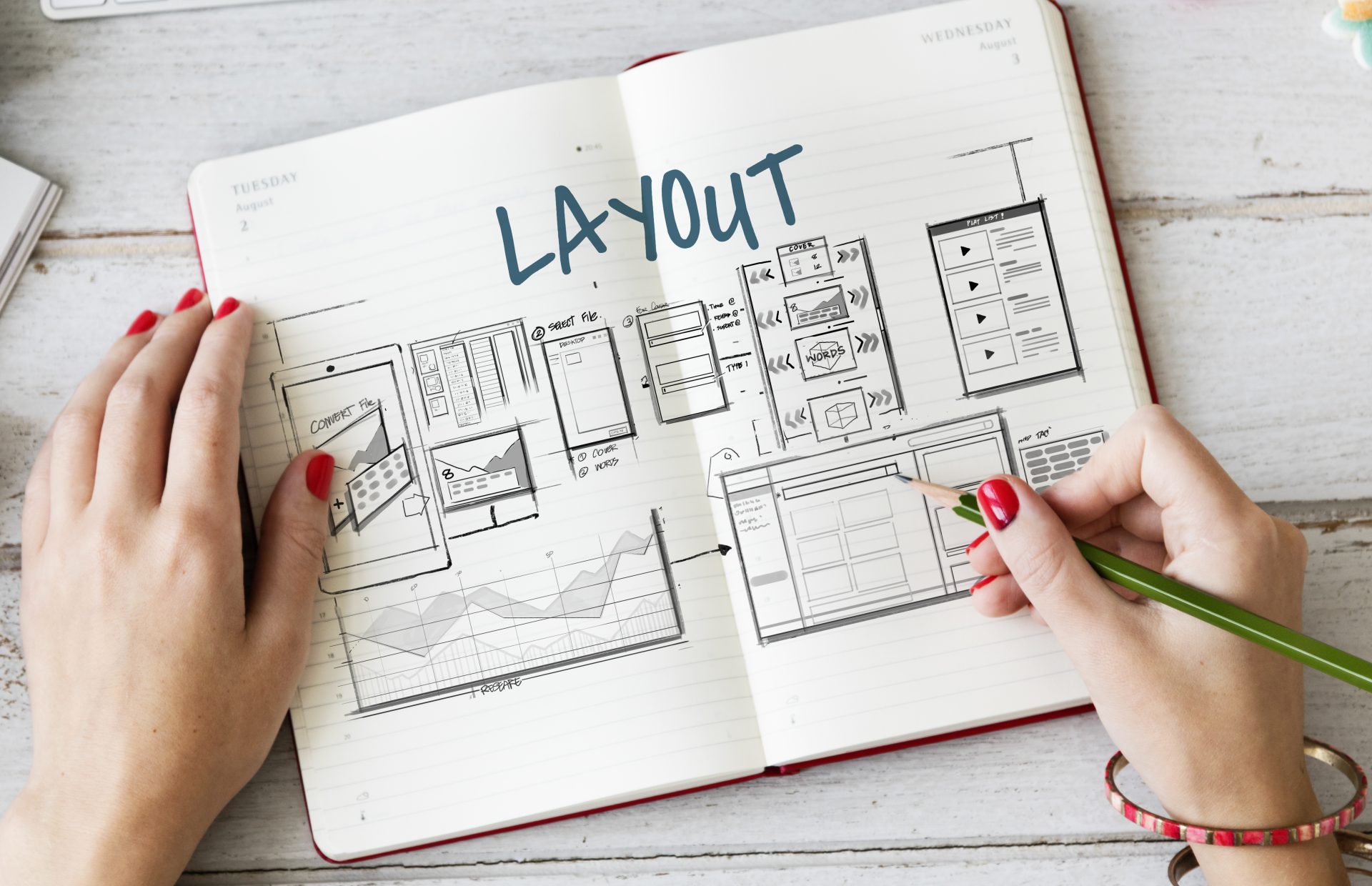

What are usability and accessibility?
When creating a website, many people tend to focus first on the visual design, then on the content, and often overlook how accessible and usable the site will be for people with different needs. Today, millions of users worldwide use websites daily for various purposes, such as working, studying, or quickly accessing information. Beyond aesthetics, website creators must recognize the importance of designing platforms that are easy to use and accessible to everyone, promoting an inclusive experience that benefits all users and businesses.
What is usability? Importance of usability when designing a website
Usability, as defined in an article published by Coursera, is the “measure of how easy something is to use.” In the context of web design, this concept refers to how easy and efficient it is for a person to interact with a website. Usability is fundamental, as it affects how quickly a user can complete a task, the reduction of errors during the process, and the level of stress they experience while interacting with the site. When a website is usable, users feel more satisfied with their experience. For businesses, this is especially important, as good usability contributes to providing more inclusive and accessible experience for all their customers.
What is Accessibility? Importance of accessibility when designing a website
Accessibility ensures that all users can use a website effectively, regardless of whether they have hearing, motor, visual, or cognitive disabilities. An accessible website aims to eliminate barriers and make interaction with the site inclusive for everyone. To achieve this, elements such as alternative text (alt text) for images, keyboard navigation, captions, transcripts, and a design that facilitates reading and understanding of the content are implemented.
There are international standards, such as the Web Content Accessibility Guidelines (WCAG), which serve as a guide for website creators, helping them design more inclusive and accessible websites for all users.

Benefits of Usability and Accessibility on your website
Website usability and accessibility go hand in hand. Although they are distinct concepts, both have been developed with the goal of improving the user experience and navigation on a website. For this reason, it is essential that companies and content creators design their websites with these principles in mind.
Designing a website with good usability and accessibility ensures greater efficiency, as it allows users to navigate easily, find the information they are looking for, and understand the content without difficulty. Furthermore, implementing accessibility tools facilitates reading and interaction with the site, optimizes overall page performance, and has a direct impact on user satisfaction. Consequently, a usable and accessible website not only benefits users but also strengthens the relationship between the company and its audience.
Conclusion
Usability and accessibility are essential elements in website design, even more important than aesthetics or how visually appealing the content is. A visually well-designed site is of little use if users have difficulty accessing it or interacting with its content. Designing a website with usability and accessibility in mind not only prioritizes the user but also their time, ease of navigation, and the quality of their experience on the site. This inclusive approach benefits both consumers and businesses, as it fosters user satisfaction and strengthens the relationship with the audience.
Sources
Initiative, W. W. A. (s. f.). Introduction to Web Accessibility. Web Accessibility Initiative (WAI). https://www.w3.org/WAI/fundamentals/accessibility-intro/
Staff, C. (2023, 29 noviembre). ¿Qué es la usabilidad? Diseñar para la facilidad. Coursera. https://www.coursera.org/mx/articles/what-is-usability-and-why-it-matters?msockid=18a9457fe52d6389116d5028e44262a4
Qué es la usabilidad web, principios y ejemplos. (2023, 25 enero). https://blog.hubspot.es/website/que-es-usabilidad-web